

language
Understanding Packing Roll Film: A Key Element in Packaging Design
In the realm of packaging design, packing roll film plays a critical role in the efficiency and effectiveness of product packaging. This versatile material, often used for various packaging applications, can greatly enhance the presentation and protection of products. Understanding the characteristics and benefits of packing roll film is essential for professionals in the packaging design sector,
In the realm of packaging design, packing roll film plays a critical role in the efficiency and effectiveness of product packaging. This versatile material, often used for various packaging applications, can greatly enhance the presentation and protection of products. Understanding the characteristics and benefits of packing roll film is essential for professionals in the packaging design sector, as it directly influences not only the aesthetic appeal but also the functionality of packaging.
Packing roll film is typically made from a variety of plastics, including polyethylene, polypropylene, and polyvinyl chloride. These materials are chosen for their unique properties, such as durability, flexibility, and moisture resistance. The choice of film depends on the specific requirements of the product being packaged, ensuring that both protection during transport and visual appeal are optimally balanced.
One of the main advantages of using packing roll film is its adaptability. It can be tailored for specific products, allowing for custom sizes, thicknesses, and finishes. This flexibility means that packaging designers can create solutions that are not only practical but also aligned with brand identity. For instance, a high-gloss finish may be ideal for luxury items, while a matte finish could cater to eco-conscious consumers.
Moreover, packing roll film is often used in conjunction with various packaging techniques, such as shrink wrapping and vacuum sealing. These methods help to safeguard products from environmental factors such as dust, moisture, and contaminants, thus prolonging shelf life and maintaining quality. Additionally, packing roll film can contribute to reducing material waste, as it can be produced in precise dimensions to fit the product closely, minimizing excess packaging.
Sustainability is becoming an increasingly important consideration in packaging design. Many manufacturers are now producing eco-friendly packing roll films made from biodegradable materials or recyclable plastics. This shift not only meets consumer demand for greener options but also aligns with global efforts to reduce plastic waste.
When designing packaging solutions using packing roll film, it's essential to consider both the functional and branding aspects. The interplay between visual design and material choice can significantly impact consumer perception and purchasing decisions. Therefore, collaboration between packaging designers and suppliers is crucial to ensure that the final product meets both aesthetic and functional needs.
In conclusion, packing roll film represents a fundamental component of modern packaging design. Its versatility, protective qualities, and potential for sustainability make it an invaluable resource for professionals aiming to create effective packaging solutions. As the industry continues to evolve, staying informed about the latest developments in packing roll film will equip designers with the knowledge needed to innovate and excel in their projects.
Packing roll film is typically made from a variety of plastics, including polyethylene, polypropylene, and polyvinyl chloride. These materials are chosen for their unique properties, such as durability, flexibility, and moisture resistance. The choice of film depends on the specific requirements of the product being packaged, ensuring that both protection during transport and visual appeal are optimally balanced.
One of the main advantages of using packing roll film is its adaptability. It can be tailored for specific products, allowing for custom sizes, thicknesses, and finishes. This flexibility means that packaging designers can create solutions that are not only practical but also aligned with brand identity. For instance, a high-gloss finish may be ideal for luxury items, while a matte finish could cater to eco-conscious consumers.
Moreover, packing roll film is often used in conjunction with various packaging techniques, such as shrink wrapping and vacuum sealing. These methods help to safeguard products from environmental factors such as dust, moisture, and contaminants, thus prolonging shelf life and maintaining quality. Additionally, packing roll film can contribute to reducing material waste, as it can be produced in precise dimensions to fit the product closely, minimizing excess packaging.
Sustainability is becoming an increasingly important consideration in packaging design. Many manufacturers are now producing eco-friendly packing roll films made from biodegradable materials or recyclable plastics. This shift not only meets consumer demand for greener options but also aligns with global efforts to reduce plastic waste.
When designing packaging solutions using packing roll film, it's essential to consider both the functional and branding aspects. The interplay between visual design and material choice can significantly impact consumer perception and purchasing decisions. Therefore, collaboration between packaging designers and suppliers is crucial to ensure that the final product meets both aesthetic and functional needs.
In conclusion, packing roll film represents a fundamental component of modern packaging design. Its versatility, protective qualities, and potential for sustainability make it an invaluable resource for professionals aiming to create effective packaging solutions. As the industry continues to evolve, staying informed about the latest developments in packing roll film will equip designers with the knowledge needed to innovate and excel in their projects.
Tag:
Recommend News

Unleashing the Potential of Pet Food Bag Design in Packaging Services
In today’s competitive pet care market, the importance of effective pet food bag design cannot be overstated. As pet owners increasingly seek high-quality nutrition for their furry companions, the packaging becomes a critical element that influences purchasing decisions. A well-designed pet food bag not only serves the practical purpose of containing the product but also acts as a powerful marketi
Revolutionize Your Brand with Trendy Pet Food Bag Designs: A Comprehensive Guide
Revolutionize Your Brand with Trendy Pet Food Bag Designs
In today's highly competitive market, effective packaging is paramount for businesses in the pet food industry. With consumers increasingly looking for not just quality products but also appealing packaging, evolving your pet food bag design can significantly impact your brand's success. This article provides an in-depth look at how trend
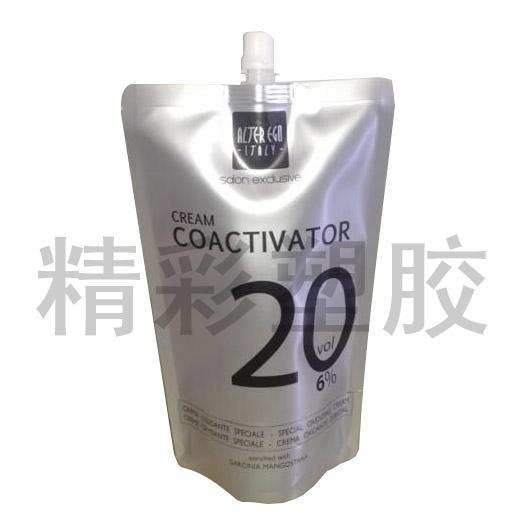
The Future of Food Packaging: Innovations in Retort Pouch Design
The Future of Food Packaging: Innovations in Retort Pouch Design
Table of Contents
Introduction to Retort Pouch Technology
Historical Development of Food Packaging
What is a Retort Pouch?
Advantages of Retort Pouches
Innovations in Materials for Retort Pouches
Sustainability in Food Packaging
The Role of Technology in Retort Pouch Design
Future Trends in Food Packaging
Conclusion: Embracing the F


Mobile:
WhatsApp:
E-mail:
Main Products

VR

Tiktok

GET A QUICK QUOTE
* Leave your contact information to get a free product quote