

language
The Future of Food Packaging: Innovations in Retort Pouch Design
The Future of Food Packaging: Innovations in Retort Pouch Design
Table of Contents
Introduction to Retort Pouch Technology
Historical Development of Food Packaging
What is a Retort Pouch?
Advantages of Retort Pouches
Innovations in Materials for Retort Pouches
Sustainability in Food Packaging
The Role of Technology in Retort Pouch Design
Future Trends in Food Packaging
Conclusion: Embracing the F
The Future of Food Packaging: Innovations in Retort Pouch Design
Table of Contents
- Introduction to Retort Pouch Technology
- Historical Development of Food Packaging
- What is a Retort Pouch?
- Advantages of Retort Pouches
- Innovations in Materials for Retort Pouches
- Sustainability in Food Packaging
- The Role of Technology in Retort Pouch Design
- Future Trends in Food Packaging
- Conclusion: Embracing the Future
- FAQs
Introduction to Retort Pouch Technology
In recent years, food packaging has undergone a significant transformation, with innovations aimed at improving food safety, convenience, and sustainability. One of the most notable advancements in this domain is the **retort pouch**, a flexible packaging solution that has reshaped the way food products are stored, transported, and consumed. This article explores the future of food packaging through the lens of retort pouch design, highlighting innovations and trends that are poised to revolutionize the industry.
Historical Development of Food Packaging
Understanding the evolution of food packaging provides valuable context for the advancements we see today. The journey began in the early 19th century with the introduction of canning, a method pioneered by **Nicolas Appert**. The need for long-term food preservation led to the development of various packaging techniques, including glass jars and metal cans.
The 20th century brought about new materials and technologies, paving the way for flexible packaging solutions. The introduction of **plastic films** in the 1960s marked a turning point, offering lightweight, durable, and moisture-resistant options. Fast forward to the 1980s, and the retort pouch was born—a breakthrough that combined the benefits of flexible packaging with the ability to withstand high-temperature sterilization processes.
What is a Retort Pouch?
A **retort pouch** is a type of food packaging made from multiple layers of flexible materials, including polyester, aluminum foil, and polypropylene. This design allows for the packaging to endure the high heat and pressure of the retort process, effectively sterilizing its contents. The retort pouch is often used for ready-to-eat meals, soups, and sauces, making it a popular choice in both consumer and military markets.
The unique construction of a retort pouch offers several advantages over traditional canning methods, including reduced weight, enhanced portability, and the ability to retain flavor and nutrients during the cooking process.
Advantages of Retort Pouches
Retort pouches offer numerous advantages that make them increasingly popular among manufacturers and consumers alike:
Lightweight and Convenient
One of the most significant benefits of retort pouches is their lightweight nature. Unlike glass jars or metal cans, retort pouches can be easily transported, making them ideal for on-the-go meals and travel.
Extended Shelf Life
Retort pouches are designed to withstand high temperatures during the sterilization process, which ensures that food remains free from harmful bacteria and spoiling agents. This results in an extended shelf life without the need for preservatives.
Preservation of Quality
The airtight seal of a retort pouch helps to lock in freshness, flavor, and nutrients, making it a preferred choice for consumers who prioritize quality in their food products.
Versatile Applications
Retort pouches can accommodate a wide range of food products, from soups and stews to snacks and meal kits. This versatility allows manufacturers to explore new product lines and cater to diverse consumer preferences.
Innovations in Materials for Retort Pouches
The materials used in retort pouches have seen significant innovation in recent years, enhancing their functionality and sustainability. Manufacturers are increasingly experimenting with new materials that provide better barrier properties, improved heat resistance, and greater recyclability.
Advanced Barrier Films
Modern retort pouches utilize advanced barrier films that protect against moisture, oxygen, and light, which can compromise food quality. These films help maintain the integrity of the food inside and extend shelf life.
Bio-based Materials
The push for sustainability has encouraged the development of bio-based materials for retort pouches. These materials are derived from renewable resources, reducing the reliance on fossil fuels and decreasing the overall environmental impact of food packaging.
Recyclable Options
Innovation in design has also led to the creation of recyclable retort pouches. These packaging solutions are designed to be easily processed through recycling streams, offering a more sustainable alternative to traditional single-use pouches.
Sustainability in Food Packaging
Sustainability has become a driving force in the food packaging industry. As consumers become more environmentally conscious, they demand packaging solutions that reflect their values. Retort pouch manufacturers are responding to this shift by prioritizing eco-friendly practices.
Reducing Plastic Waste
Many companies are exploring ways to minimize plastic waste associated with food packaging. This includes using less material in the production of retort pouches and investing in technologies to create biodegradable options.
Life Cycle Assessments
Conducting life cycle assessments (LCAs) enables manufacturers to understand the environmental impact of their packaging from production to disposal. This information guides decisions that lead to more sustainable practices throughout the supply chain.
Consumer Education
Educating consumers about the benefits of sustainable packaging can help drive demand for eco-friendly products. Companies that engage in transparent communication about their packaging materials and processes can build stronger relationships with environmentally conscious consumers.
The Role of Technology in Retort Pouch Design
Technological advancements play a critical role in the evolution of retort pouch design. From production processes to quality control, technology enhances the efficiency and effectiveness of food packaging.
Automation in Manufacturing
Automation has revolutionized the manufacturing process of retort pouches. Automated systems streamline production, reduce labor costs, and ensure consistent quality across batches.
Smart Packaging
The integration of smart technology in packaging is becoming increasingly prevalent. Retort pouches can now incorporate sensors to monitor temperature and freshness, providing real-time information to consumers and manufacturers alike.
Enhanced Quality Control
Advanced technologies, such as vision systems and artificial intelligence, facilitate rigorous quality control during the production of retort pouches. This ensures that any defects are identified and addressed before the product reaches the consumer.
Future Trends in Food Packaging
The future of food packaging is poised for exciting developments, particularly in the realm of retort pouches. As consumer preferences evolve and sustainability becomes imperative, we can expect to see the following trends:
Increased Customization
Personalization and customization are becoming more important to consumers. The future of retort pouch design will likely see greater flexibility in terms of size, shape, and graphics to meet diverse consumer needs.
Focus on Health and Wellness
As health-conscious consumers continue to rise, there will be a demand for retort pouches that cater to dietary preferences, such as organic, gluten-free, and low-calorie options. Manufacturers will need to adapt their offerings to address these evolving trends.
Integration of E-commerce
The growth of e-commerce has changed the way consumers purchase food products. Retort pouches designed for online retail will need to prioritize durability and protection during shipping, ensuring that products arrive in optimal condition.
Conclusion: Embracing the Future
The future of food packaging is undoubtedly bright, with innovations in retort pouch design leading the charge toward improved food safety, sustainability, and consumer satisfaction. As we embrace these changes, manufacturers and consumers alike must work together to prioritize eco-friendly practices and support the development of advanced packaging solutions. The evolution of retort pouches represents just one facet of the broader food packaging landscape, but it is a powerful testament to the ongoing pursuit of excellence in the industry.
FAQs
1. What are the main benefits of using retort pouches for food packaging?
Retort pouches offer benefits such as lightweight convenience, extended shelf life, preservation of food quality, and versatility for various food products.
2. How do retort pouches differ from traditional canning methods?
Unlike traditional canning, which uses rigid containers, retort pouches are flexible and lightweight, allowing for easier transport and storage while maintaining food safety.
3. Are retort pouches recyclable?
Many manufacturers are developing recyclable retort pouches, although it is essential to check local recycling guidelines for proper disposal.
4. What materials are used in the construction of retort pouches?
Retort pouches are typically made from multiple layers of materials, including polyester, aluminum foil, and polypropylene, which provide barrier properties and heat resistance.
5. How does technology enhance the production of retort pouches?
Automation, smart packaging technologies, and advanced quality control systems improve efficiency, consistency, and product safety during production.
By focusing on these aspects, the future of food packaging through retort pouch innovation looks promising, effectively meeting consumer demands while championing sustainability and quality.
Tag:
Recommend News

The Art of Crafting Eye-Catching Pet Food Packaging
The Art of Crafting Eye-Catching Pet Food Packaging
Introduction: The Importance of Pet Food Packaging
In the competitive landscape of pet food products, **packaging** plays a pivotal role in attracting customers. As pet owners increasingly seek quality and nutrition for their furry friends, the first impression often begins with the packaging. Effective pet food packaging not only protects the pr
Unleashing Creativity in Coffee Bag Packaging: Design Innovations for a Captivating Brand Experience
Unleashing Creativity in Coffee Bag Packaging
Table of Contents
Introduction to Coffee Bag Packaging
The Importance of Creative Design in Packaging
Types of Coffee Bag Packaging
Sustainable Packaging Solutions for Coffee
Material Selection for Coffee Bags
Branding and Marketing Through Packaging
Trends in Coffee Bag Design
Case Studies of Innovative Coffee Bag Pack
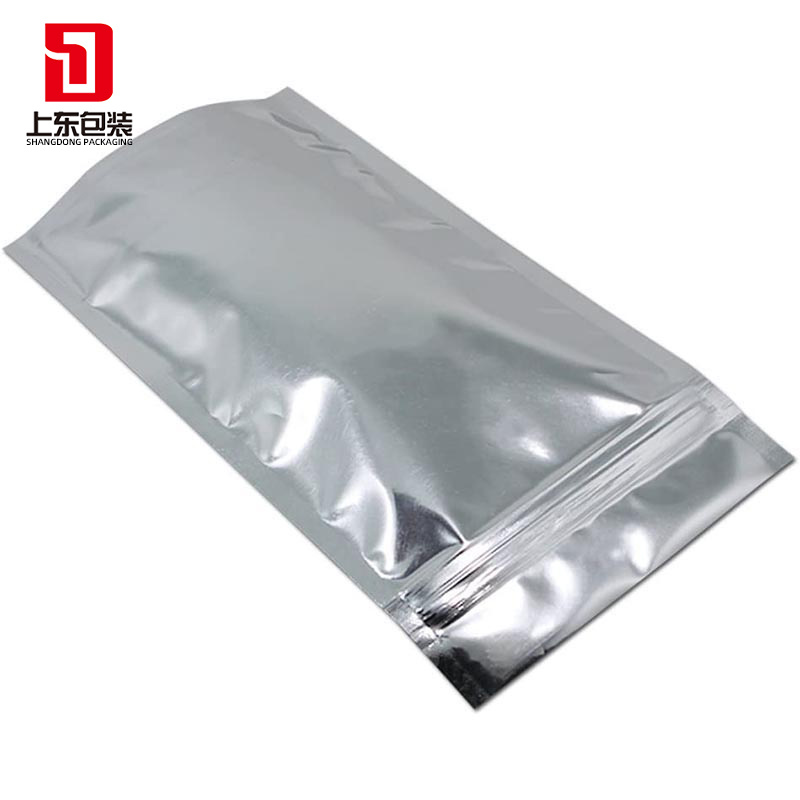
Exploring the Future Innovations for China Retort Pouches: A Comprehensive Guide
Exploring the Future Innovations for China Retort Pouches
Table of Contents
1. Introduction to Retort Pouches
2. The Importance of Retort Pouches in the Food Industry
3. Technological Advancements in Retort Pouch Production
4. Innovative Materials Used in Retort Pouches
5. Sustainability Trends in Retort Pouch Manufacturing
6. Diverse Applications of Retort Pouches
7.


Mobile:
WhatsApp:
E-mail:
Main Products

VR

Tiktok

GET A QUICK QUOTE
* Leave your contact information to get a free product quote