

There is a wide variety of materials and design choices for snack packaging bags. Here is a detailed analysis of snack packaging bags:
Design Types
1. Three-side seal bag: Three sides are sealed, leaving one side open for product filling. This is the most common type of food packaging. Three-side seal bags have two side seams and one top seam; they can be folded or unfolded. When folded, they can stand upright on shelves. Three-side seal bags are suitable for a variety of products, including snacks, seasonings, face masks, and pet snacks.
2. Stand-up pouch: As the name suggests, this type of food packaging bag can stand upright on shelves, allowing for better and more attractive display. Stand-up pouches are widely used in the packaging of snacks, jellies, seasonings, and cleaning supplies. These bags not only have good airtightness but also effectively maintain product freshness.
3. Eight-side seal bag: Developed from the stand-up pouch, this bag has a square bottom and can stand upright. Eight-side seal bags have a more three-dimensional feel, with three sides (front, side, and bottom), providing more printing space and product display space than stand-up pouches, and are more eye-catching to consumers. Eight-side seal bags are suitable for packaging coffee beans, tea, nuts and dried fruits, and pet snacks.
4. Stand-up zipper bag: Based on the stand-up pouch, a resealable zipper is added to the top for convenient storage and consumption, preventing moisture damage. This packaging is widely used in the food industry, especially for snacks, puffed foods, meat products, and instant coffee. It not only allows consumers to enjoy the product at any time but also extends the shelf life, providing waterproof, moisture-proof, and insect-proof protection.
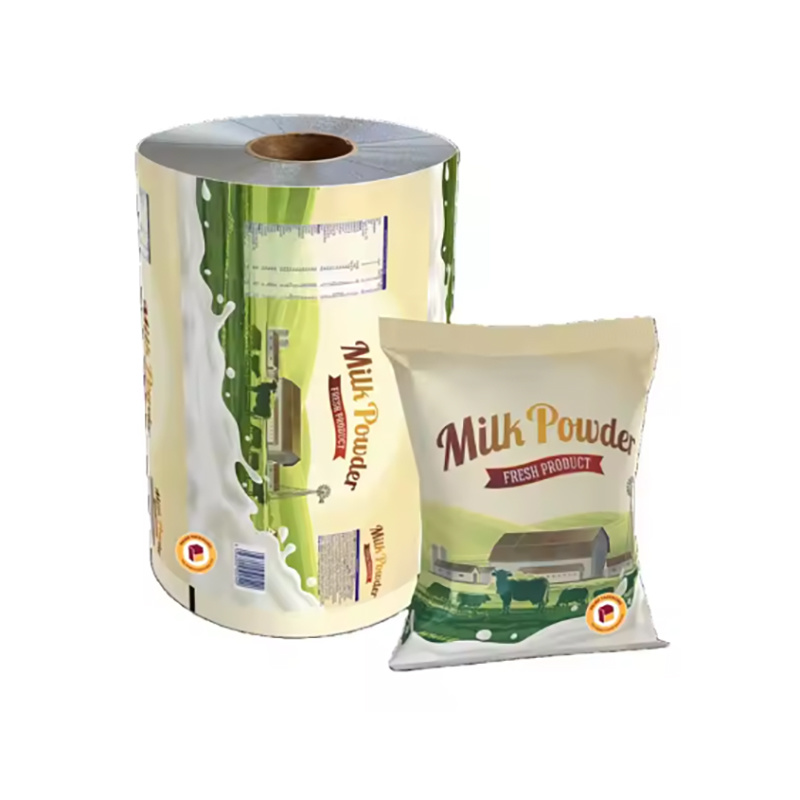
5. Back-seal bag: A type of packaging bag with a sealed back edge. It has no opening and needs to be torn open by hand. Commonly used for small packages of powder, candy, and dairy products. The design of the back-seal bag with bones is ingenious, with the sides cleverly folded inward to form a unique side packaging style. This bag effectively reduces the exposed parts on the left and right sides, saving storage space and making the overall appearance more beautiful and generous. In addition, its large capacity is also highly praised, making it very suitable for packaging baked goods, convenience foods, and frozen foods.
6. Spout pouch: Consisting of a separate spout and a stand-up pouch, it is ideal for packaging liquids and powders, such as juice, beverages, milk, and soy milk. This bag is especially suitable for packaging liquid and powder products. Its design facilitates the transportation and storage of food, and its practicality and convenience are widely praised.
7. Irregular shaped bag: Breaking away from the traditional square design, it can showcase a unique style according to the product characteristics. Irregularly shaped bags are suitable for candy, snacks, ready-to-drink beverages, and specialty products, adding a unique charm to the product.
Material Selection
1. BOPP/CPP double-layer composite material: Oil-resistant, high transparency, good stiffness. Suitable for biscuits, candies, and light foods.
2. BOPP/VMCPP double-layer composite material: Oil-resistant, oxygen-barrier, light-blocking, good stiffness. Suitable for potato chips, fried foods, and dried goods.
3. BOPP/LDPE double-layer composite material: Cold-resistant, good low-temperature heat sealing strength. Suitable for instant noodles, snacks, frozen desserts, and powder packaging.
4. BOPP/VMCPP/LLDPE three-layer composite material: Moisture-proof, oxygen-barrier, light-blocking. Suitable for rice-based snacks and tea.
5. PET/CPP double-layer composite material: Moisture-proof, aroma-retaining, high-temperature resistant. Suitable for alcoholic beverages, aromatic foods, and frozen buns.
6. Aluminum-plated aluminum foil bag: Suitable for packaging products that should not be exposed to moisture and require high dryness, such as powdered foods or pharmaceuticals, food additives, vacuum-packed cooked food, and meat.
When choosing snack packaging bags, in addition to design and material, the following points should also be considered:
1. Safety: Ensure that the packaging bag meets food safety standards and is non-toxic and harmless.
2. Environmental protection: Choose biodegradable or easily recyclable packaging materials to reduce environmental pollution.
3. Printing quality: The printed information on the packaging bag should be clear, accurate, and comply with relevant regulations.
TAG:
Previous
Next
Previous
Next

Food packaging bags
Share to:


Category:
Product inquiry
NOTE: Please leave your email, our professional person will contact you asap!
Mobile:
WhatsApp:
E-mail:
Main Products

VR

Tiktok

GET A QUICK QUOTE
* Leave your contact information to get a free product quote