

language
From Concept to Reality: Crafting Stand Up Bag Packaging Designs for Maximum Impact
From Concept to Reality: Crafting Stand Up Bag Packaging Designs for Maximum Impact
Table of Contents
1. Introduction to Stand Up Bag Packaging
2. The Importance of Effective Packaging Design
3. Types of Stand Up Bags
3.1 Pouch Packaging
3.2 Zipper Stand Up Bags
3.3 Windowed Stand Up Bags
4. The Design Process for Stand Up
From Concept to Reality: Crafting Stand Up Bag Packaging Designs for Maximum Impact
Table of Contents
- 1. Introduction to Stand Up Bag Packaging
- 2. The Importance of Effective Packaging Design
- 3. Types of Stand Up Bags
- 4. The Design Process for Stand Up Bags
- 5. Choosing the Right Materials for Stand Up Bags
- 6. Printing Techniques for Stand Up Bags
- 7. Sustainable Packaging Solutions
- 8. Case Studies: Successful Stand Up Bag Designs
- 9. FAQs about Stand Up Bag Packaging Design
- 10. Conclusion
1. Introduction to Stand Up Bag Packaging
Stand-up bags are a popular choice in the packaging industry, known for their versatility, convenience, and visual appeal. This type of packaging is designed to stand upright on shelves, making products more visible and accessible to consumers. Stand-up bags are commonly used for a variety of products, including snacks, pet food, and organic goods. In this article, we will explore how to transform packaging concepts into reality, focusing on the intricate details that can elevate your stand-up bag designs.
2. The Importance of Effective Packaging Design
Effective packaging design is not merely about aesthetics; it serves a multitude of essential functions. First and foremost, it is about **creating a memorable first impression** that captivates potential buyers. High-quality packaging can effectively communicate the brand's message, values, and quality. Moreover, it plays a significant role in ensuring product preservation, ease of use, and information delivery. In a saturated market, an eye-catching design can differentiate your product from competitors, making packaging design an invaluable investment for any brand.
3. Types of Stand Up Bags
Understanding the different types of stand-up bags is crucial for selecting the right packaging for your product. Here, we explore three popular types:
3.1 Pouch Packaging
Pouch packaging is characterized by its flexible nature, allowing for easy transportation and storage. These bags can be made from various materials, including plastic and paper, and often feature resealable options. Their lightweight design makes them an eco-friendly choice, and they are ideal for products like snacks and powdered goods.
3.2 Zipper Stand Up Bags
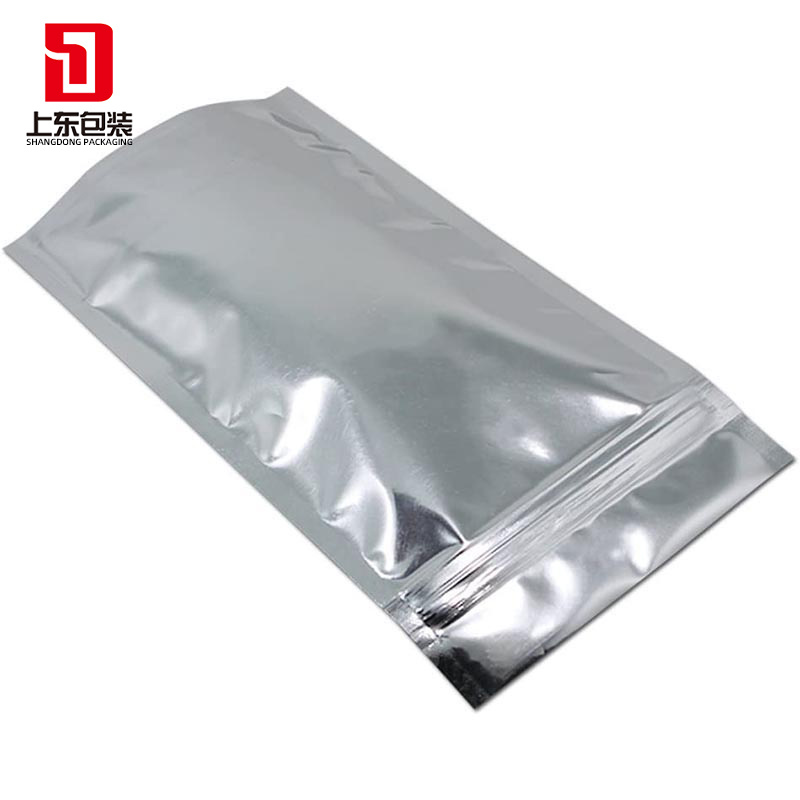
Zipper stand-up bags come with a convenient zipper closure, making them easy to open and reseal. This feature enhances product freshness and reduces waste by allowing customers to use the product at their convenience. These bags are ideal for products that require repeated access, such as coffee, nuts, or dried fruits.
3.3 Windowed Stand Up Bags
Windowed stand-up bags provide a unique advantage by allowing consumers to view the product inside. This transparency builds trust, as customers can see the quality and quantity of the product before purchasing. These bags are particularly popular for gourmet foods, sweets, and artisanal products.
4. The Design Process for Stand Up Bags
Creating effective stand-up bag packaging involves a thorough design process that includes several key steps:
4.1 Research and Inspiration
Begin by conducting comprehensive market research to understand industry trends, consumer preferences, and competitor strategies. This step is crucial for identifying gaps in the market and discovering opportunities for innovation. Explore design inspiration from various sources, including design magazines, trade shows, and online platforms like Pinterest and Behance.
4.2 Concept Sketching
Once you have gathered enough data, start sketching your initial concepts. This step allows you to visualize ideas and quickly iterate on designs. Focus on layout, graphics, typography, and any essential elements that reflect your brand identity. Establishing a clear concept at this stage will streamline the design process.
4.3 Digital Design
After solidifying your sketches, move to digital design. Use software like Adobe Illustrator or CorelDRAW to create high-resolution designs. Pay attention to color schemes, typography, and images that resonate with your target audience. Ensure that the design complements the product's purpose and branding.
5. Choosing the Right Materials for Stand Up Bags
Selecting the right materials for your stand-up bags is vital for durability, aesthetics, and functionality. Consider the following options:
* **Kraft Paper**: This eco-friendly option is great for organic and natural products, providing a rustic feel.
* **Polyethylene**: Commonly used for its moisture barrier properties, it's ideal for foods requiring freshness.
* **Biodegradable Plastics**: An excellent choice for brands committed to sustainability, these materials decompose and reduce environmental impact.
Always align your choice of materials with your brand’s values and the specific needs of the product.
6. Printing Techniques for Stand Up Bags
The printing process significantly influences the final appearance of your stand-up bags. Here are some popular printing techniques:
* **Flexography**: A cost-effective and efficient method for large runs, perfect for simple designs.
* **Gravure Printing**: Known for high-quality images and fine details, ideal for premium products.
* **Digital Printing**: Offers flexibility for smaller batches and intricate designs, allowing for personalization.
Consider the printing method that best matches your design complexity and budget.
7. Sustainable Packaging Solutions
The demand for sustainable packaging solutions continues to rise as consumers become more eco-conscious. Brands that adopt sustainable practices not only enhance their reputation but also attract a larger customer base. Here are some strategies for sustainable stand-up bag packaging:
* **Use Recyclable Materials**: Choose materials that can be easily recycled, such as paper or specific plastics.
* **Minimal Packaging**: Reduce the amount of material used in your packaging while still ensuring product safety.
* **Encourage Reuse**: Design stand-up bags that can be repurposed, providing added value to consumers.
Implementing sustainable practices can significantly impact your brand’s image and appeal in today’s market.
8. Case Studies: Successful Stand Up Bag Designs
To illustrate the effectiveness of stand-up bag packaging, we’ll look at a few successful case studies that highlight innovative design approaches:
* **Snack Brand X**: This brand utilized bold colors and a unique shape that differentiates their bags on the shelf. Their use of eco-friendly materials resonated with environmentally conscious consumers, leading to a significant increase in sales.
* **Coffee Brand Y**: By incorporating a windowed design, this brand showcased the quality of their coffee beans. Their resealable zipper feature enhanced customer satisfaction, resulting in a loyal customer base.
These examples demonstrate how thoughtful design can lead to tangible business success.
9. FAQs about Stand Up Bag Packaging Design
1. What are the benefits of using stand-up bags for packaging?
Stand-up bags provide visibility, ease of use, and protection for the product. They are also lightweight and often eco-friendlier than rigid packaging options.
2. How can I ensure my stand-up bag design is eye-catching?
Utilize bold colors, dynamic shapes, and clear branding. Consider incorporating unique features like windows or interesting textures to captivate consumer attention.
3. What materials are most commonly used for stand-up bags?
Common materials include polyethylene, Kraft paper, and biodegradable plastics, each offering different benefits depending on the product being packaged.
4. How can I make my stand-up bags more sustainable?
Opt for recyclable materials, minimize waste in your designs, and promote reusability to enhance your sustainability efforts.
5. What printing techniques are best for stand-up bags?
Techniques like flexography, gravure, and digital printing can be chosen based on the design complexity and production quantity.
10. Conclusion
Crafting stand-up bag packaging designs is an intricate process that blends creativity with functionality. By understanding the various types of stand-up bags, the design process, material selection, and printing techniques, brands can create impactful packaging that resonates with consumers. Prioritizing sustainability will not only align with current market trends but also enhance customer loyalty and brand reputation.
Effective stand-up bag packaging can serve as a powerful marketing tool, putting your products front and center in a competitive landscape. By following these guidelines, you can turn your packaging dreams into a tangible reality, ultimately driving success for your brand.
Tag:
Recommend News

The Art of Crafting Eye-Catching Pet Food Packaging
The Art of Crafting Eye-Catching Pet Food Packaging
Introduction: The Importance of Pet Food Packaging
In the competitive landscape of pet food products, **packaging** plays a pivotal role in attracting customers. As pet owners increasingly seek quality and nutrition for their furry friends, the first impression often begins with the packaging. Effective pet food packaging not only protects the pr
Unleashing Creativity in Coffee Bag Packaging: Design Innovations for a Captivating Brand Experience
Unleashing Creativity in Coffee Bag Packaging
Table of Contents
Introduction to Coffee Bag Packaging
The Importance of Creative Design in Packaging
Types of Coffee Bag Packaging
Sustainable Packaging Solutions for Coffee
Material Selection for Coffee Bags
Branding and Marketing Through Packaging
Trends in Coffee Bag Design
Case Studies of Innovative Coffee Bag Pack
Exploring the Future Innovations for China Retort Pouches: A Comprehensive Guide
Exploring the Future Innovations for China Retort Pouches
Table of Contents
1. Introduction to Retort Pouches
2. The Importance of Retort Pouches in the Food Industry
3. Technological Advancements in Retort Pouch Production
4. Innovative Materials Used in Retort Pouches
5. Sustainability Trends in Retort Pouch Manufacturing
6. Diverse Applications of Retort Pouches
7.


Mobile:
WhatsApp:
E-mail:
Main Products

VR

Tiktok

GET A QUICK QUOTE
* Leave your contact information to get a free product quote