

language
Understanding the Cost Factors of Aluminum Bags in Packaging Design
In the realm of packaging design, aluminum bags have gained substantial popularity due to their versatility and protective qualities. However, understanding the pricing dynamics of aluminum bags is cr
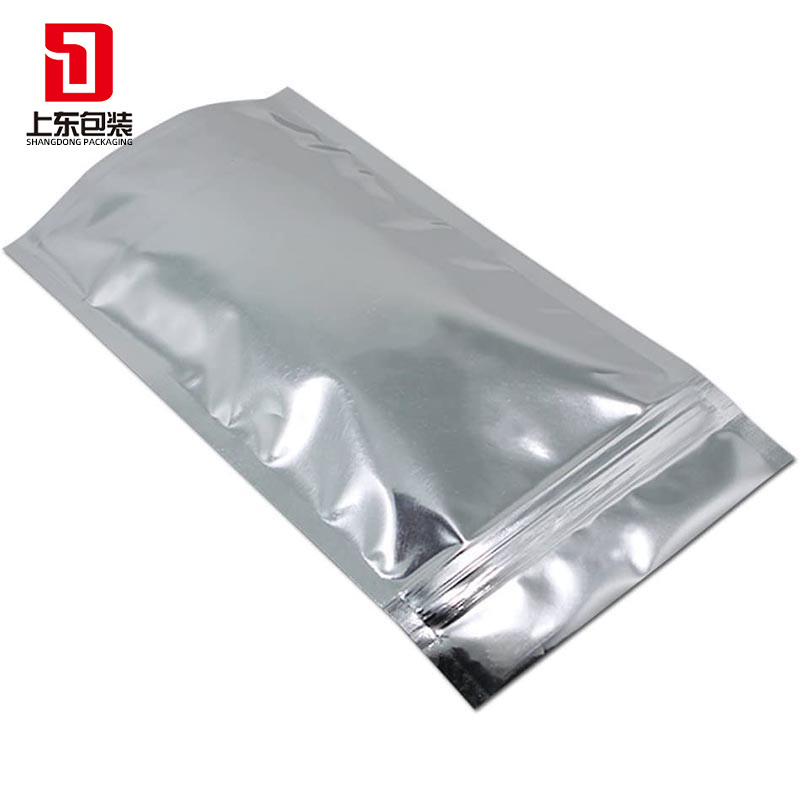
Aluminum bags are increasingly favored in packaging design for their durability and ability to protect contents from external factors such as moisture, light, and air. However, when it comes to aluminum bags price, several key factors come into play that can significantly influence overall costs.
**Material Quality and Thickness**
The quality and thickness of the aluminum used are primary determinants of the price of aluminum bags. Higher quality aluminum may incur additional costs, but it can also provide better barrier properties and extended shelf life for the packaged products. Additionally, thicker aluminum layers can enhance durability but also contribute to higher pricing.
**Customization and Design Complexity**
Custom-designed aluminum bags can cater to specific branding and functional requirements, which often leads to variations in price. Factors such as printing techniques, colors, and unique shapes can affect the overall cost. A simple design may be more cost-effective, while intricate designs with multiple colors and finishes could increase the price significantly.
**Production Volume**
The scale of production plays a crucial role in determining the price of aluminum bags. Generally, higher production volumes lower the per-unit cost due to economies of scale. Businesses looking to produce a smaller quantity may find that the price per bag is significantly higher, as the initial setup and production costs are spread over fewer units.
**Supply Chain and Sourcing**
The sourcing of raw materials and logistics can also impact the price of aluminum bags. Factors such as transportation costs, availability of materials, and market demand can lead to fluctuations in pricing. It's essential for businesses to consider these elements when budgeting for packaging solutions.
**Market Trends**
Lastly, keeping an eye on market trends is vital. The demand for eco-friendly and sustainable packaging solutions is on the rise, and aluminum bags are often considered a viable option. As consumer preferences shift, companies may find that the pricing landscape for aluminum bags evolves accordingly.
In conclusion, understanding the various factors that influence aluminum bags price is essential for professionals in the packaging design industry. By considering material quality, customization options, production volume, supply chain dynamics, and market trends, businesses can make informed decisions that align with their packaging needs and budget constraints.
Tag:
Recommend News

The Art of Crafting Eye-Catching Pet Food Packaging
The Art of Crafting Eye-Catching Pet Food Packaging
Introduction: The Importance of Pet Food Packaging
In the competitive landscape of pet food products, **packaging** plays a pivotal role in attracting customers. As pet owners increasingly seek quality and nutrition for their furry friends, the first impression often begins with the packaging. Effective pet food packaging not only protects the pr
Unleashing Creativity in Coffee Bag Packaging: Design Innovations for a Captivating Brand Experience
Unleashing Creativity in Coffee Bag Packaging
Table of Contents
Introduction to Coffee Bag Packaging
The Importance of Creative Design in Packaging
Types of Coffee Bag Packaging
Sustainable Packaging Solutions for Coffee
Material Selection for Coffee Bags
Branding and Marketing Through Packaging
Trends in Coffee Bag Design
Case Studies of Innovative Coffee Bag Pack
Exploring the Future Innovations for China Retort Pouches: A Comprehensive Guide
Exploring the Future Innovations for China Retort Pouches
Table of Contents
1. Introduction to Retort Pouches
2. The Importance of Retort Pouches in the Food Industry
3. Technological Advancements in Retort Pouch Production
4. Innovative Materials Used in Retort Pouches
5. Sustainability Trends in Retort Pouch Manufacturing
6. Diverse Applications of Retort Pouches
7.


Mobile:
WhatsApp:
E-mail:
Main Products

VR

Tiktok

GET A QUICK QUOTE
* Leave your contact information to get a free product quote